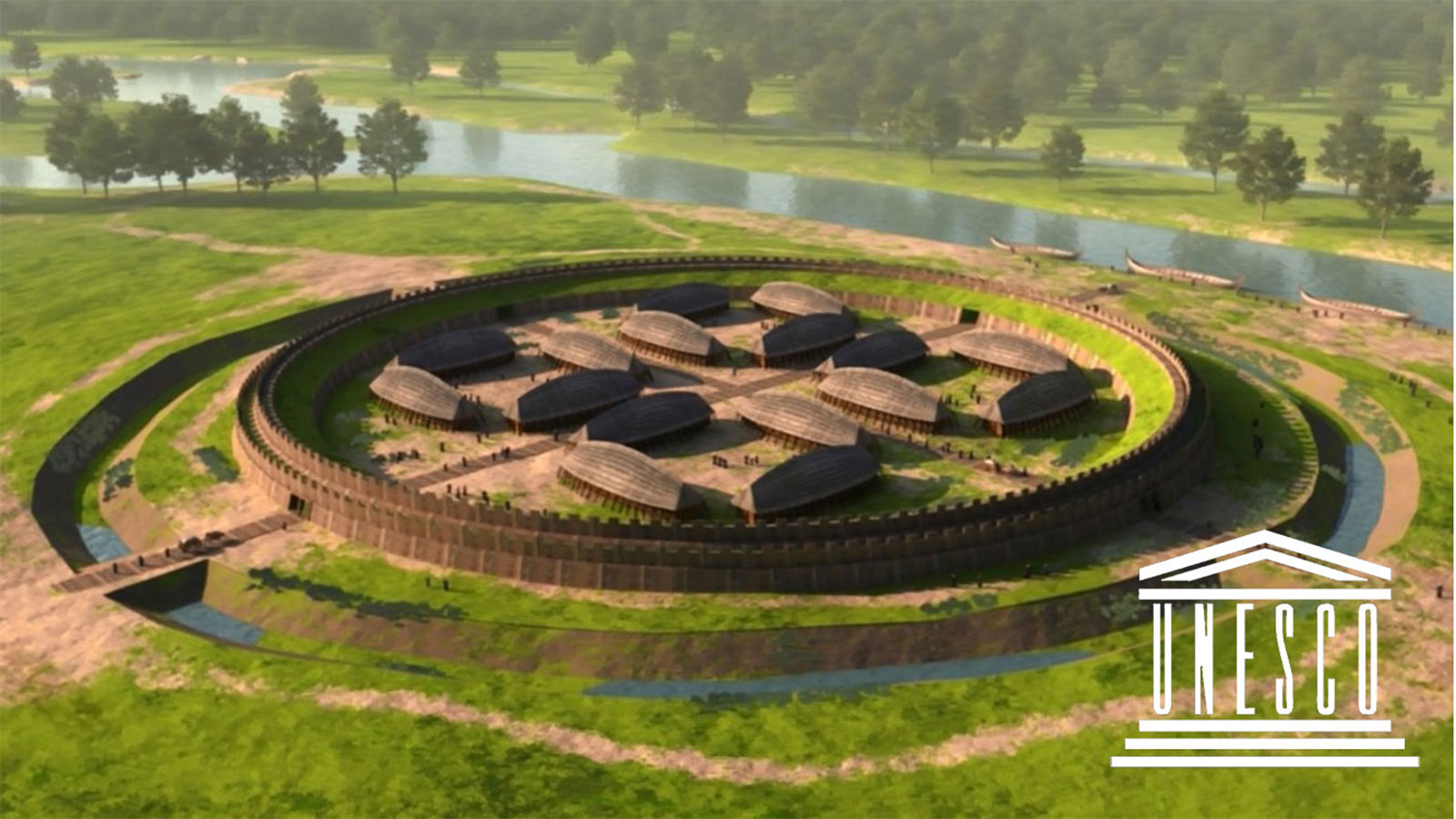
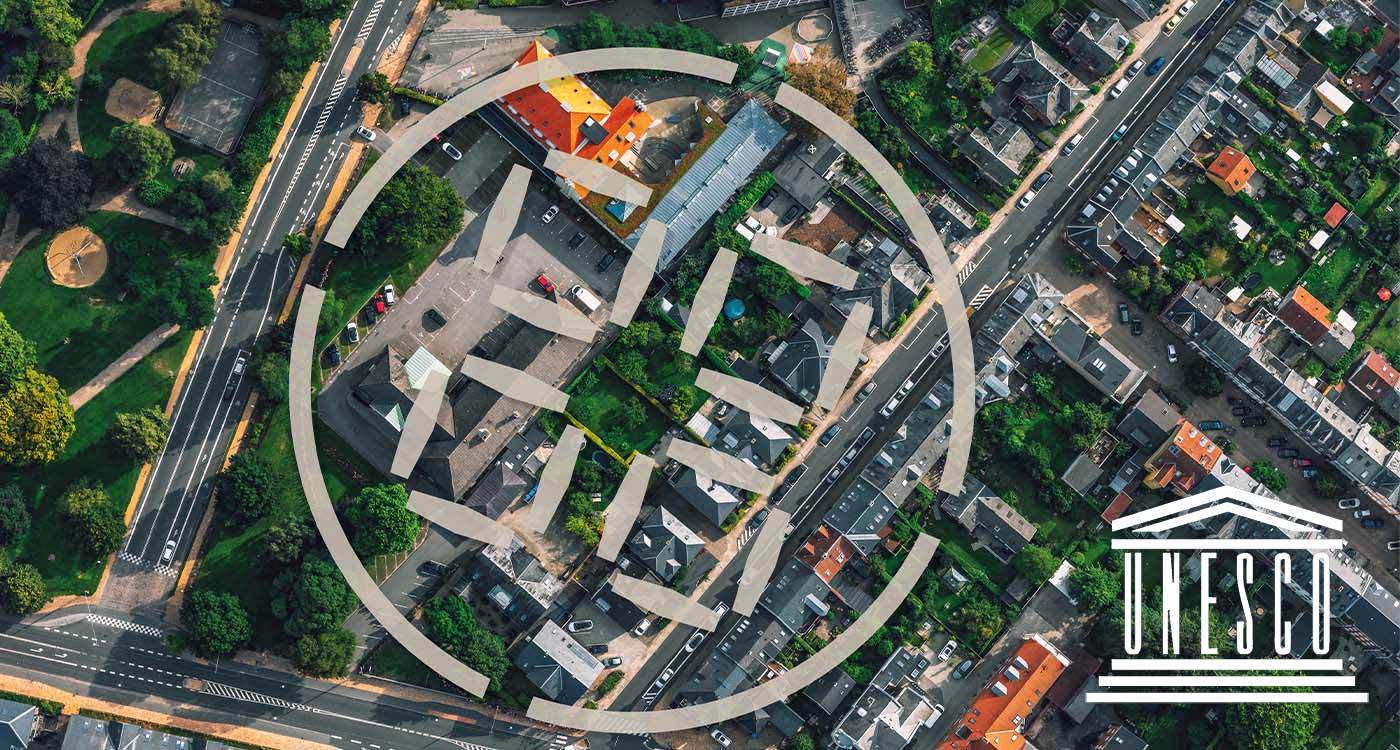
Beneath the streets lie traces of a history older than the Odense we know today. Here, Harald Bluetooth built the ring fortress of Nonnebakken, and just a few generations later, Cnut the Holy was killed in the city. Between the ring fortress and the cathedral, you can follow the story of royal power, faith and a city gradually taking shape. The history is still there in layers – in some places, just beneath your feet.
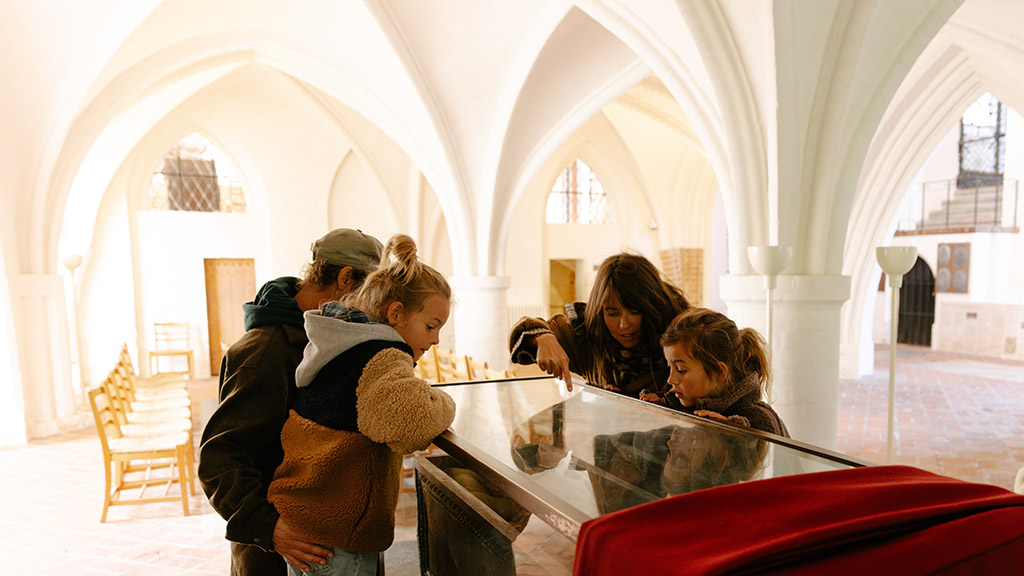
In the crypt beneath Odense Cathedral, you can still come face to face with Cnut the Holy – the Danish king who was killed in Odense in 1086 and canonised only a few years later.
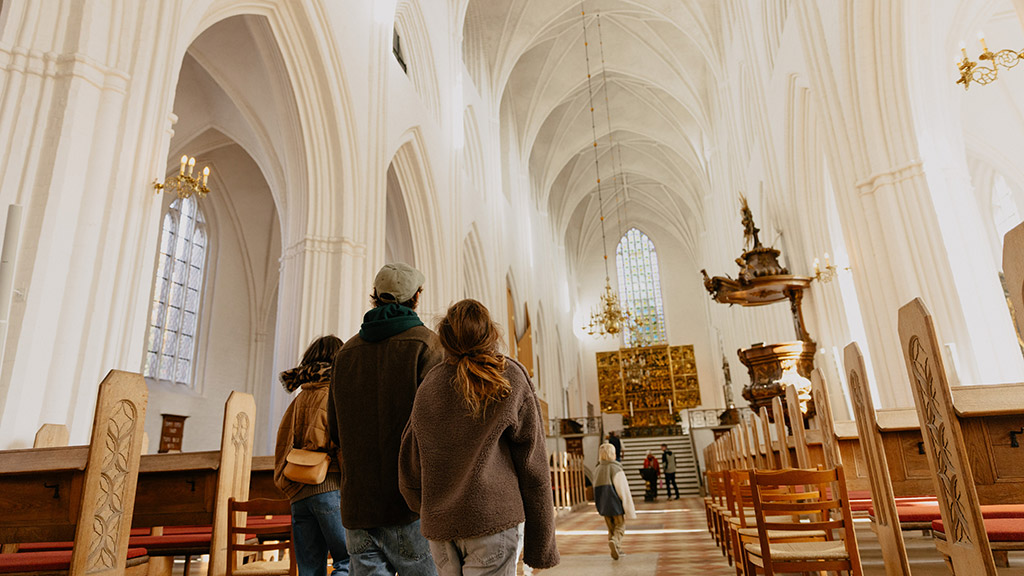
In the heart of Odense stands St Cnut’s Church, the city’s cathedral and one of the most important historic buildings in the centre. The Gothic interior, the art and the royal tombs reflect centuries of history – and in the crypt lies Cnut the Holy, after whom the church is named.
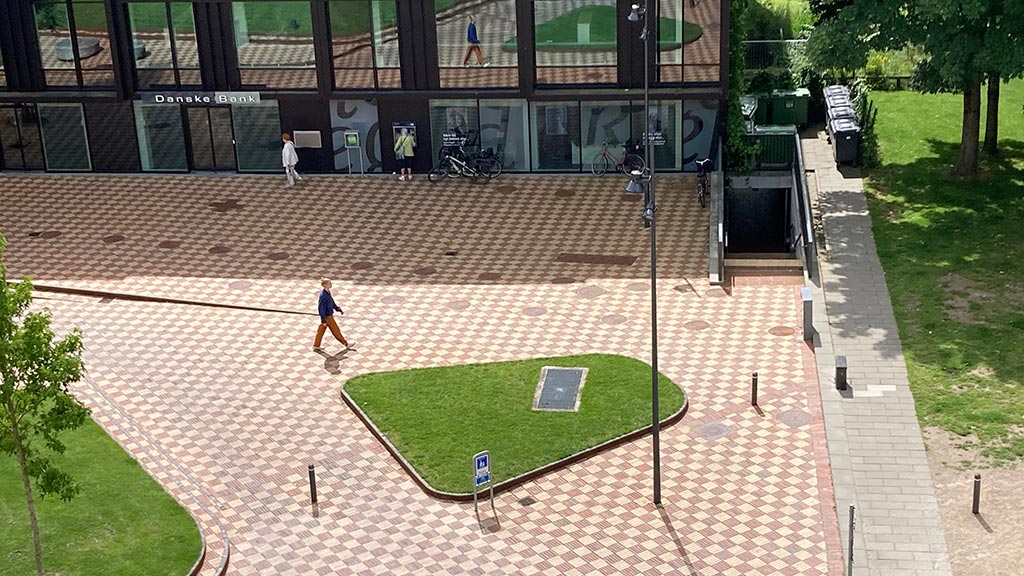
On Albani Square, one of the most dramatic chapters in Odense’s history lies just beneath your feet. This was the site of St Alban’s Church, the city’s first cathedral, and the place where King…
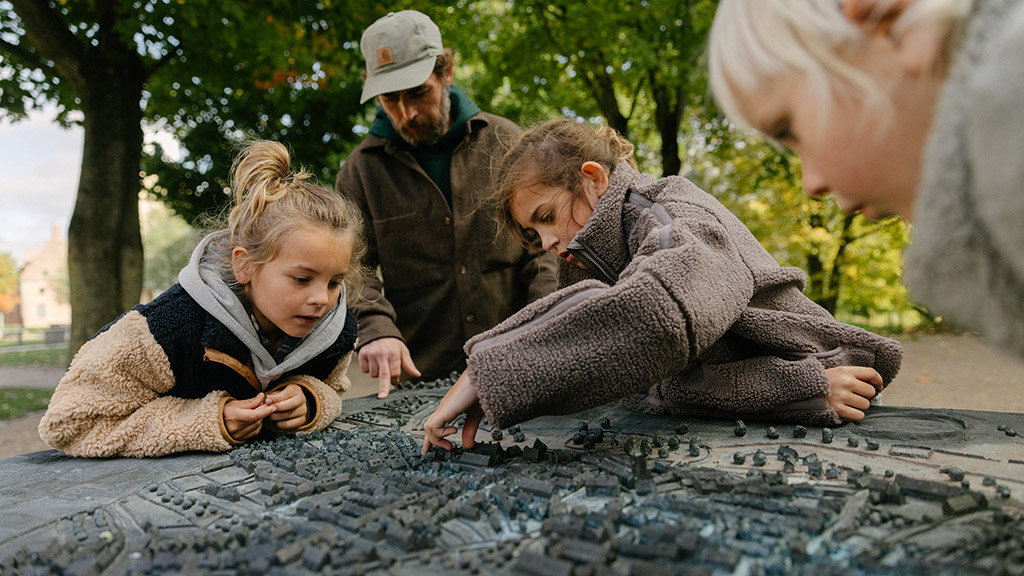
At Sankt Knuds Plads, you can see Odense at two points in time, around 600 years apart. The two bronze models show the city in 988 and 1593 and make it easier to imagine how early Odense developed.
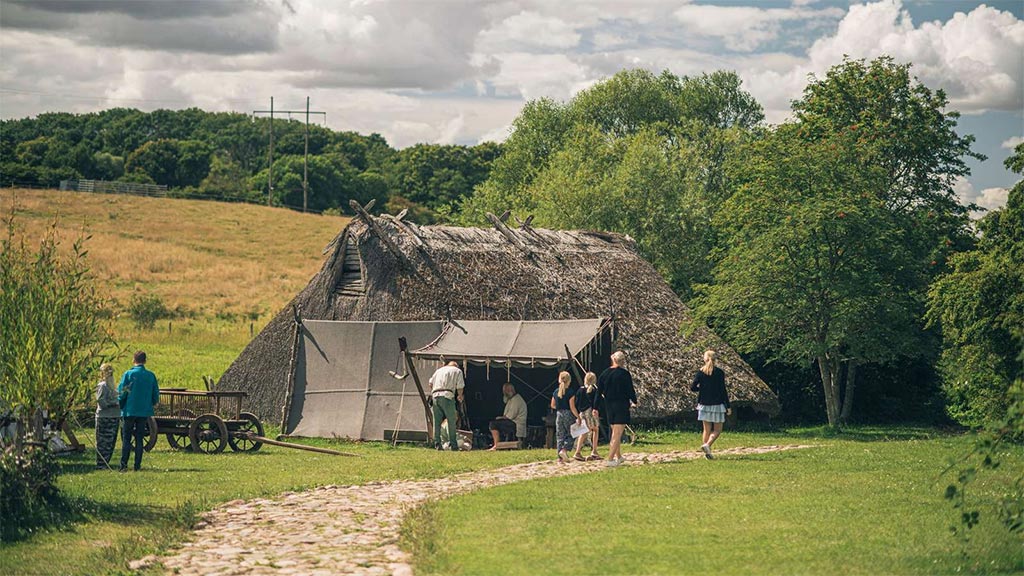
At Odins Odense Iron Age Village, you can experience everyday life in Denmark before the Viking Age and before Odins Vi became Odense. Walk among reconstructed Iron Age houses, look inside the workshops and get a vivid sense of everyday life and craftsmanship before Viking Odense.
The drama lies just beneath your feet – follow in the Vikings’ footsteps
Beneath the city streets lie traces of a history older than the Odense we know today. A story about the people who lived their lives here before us. About trade and everyday life. About a town that grew up around Odins Vi and gradually became the Odense we know today.
Follow the final dramatic hours of Cnut the Holy through Odense on a self-guided audio walk with eight stops. Along the way, you will get closer to the king, the power struggles and the rise of Christianity that helped transform the city at the end of the Viking Age.
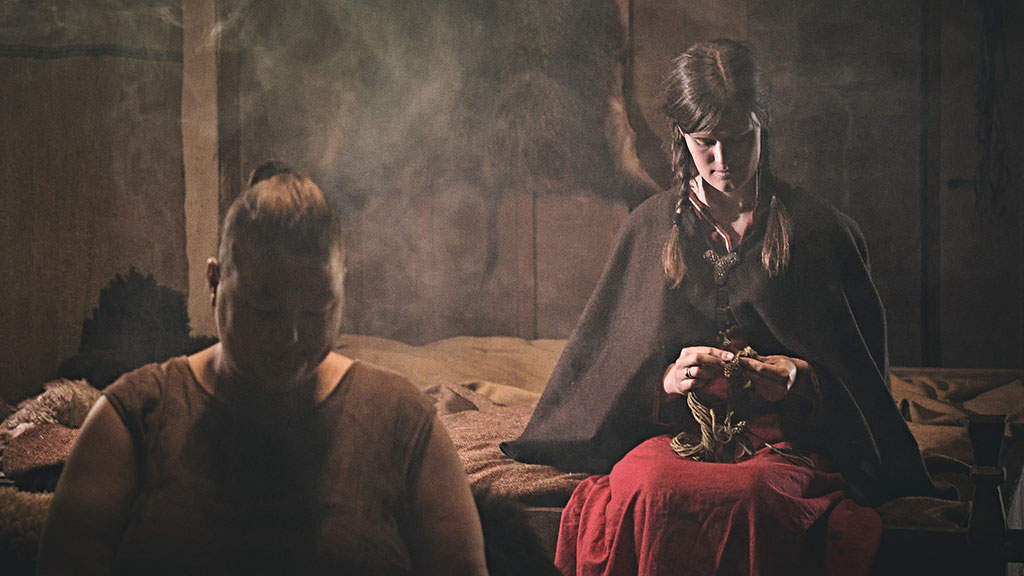
Take a sensory journey far back in time - to the time when Odense came into being. Along the way you will discover a completely different city before your inner gaze, like living shadows from a distant past. In Danish language.
Read more
Photo: Zupa
Photo: Visitodense
More experiences
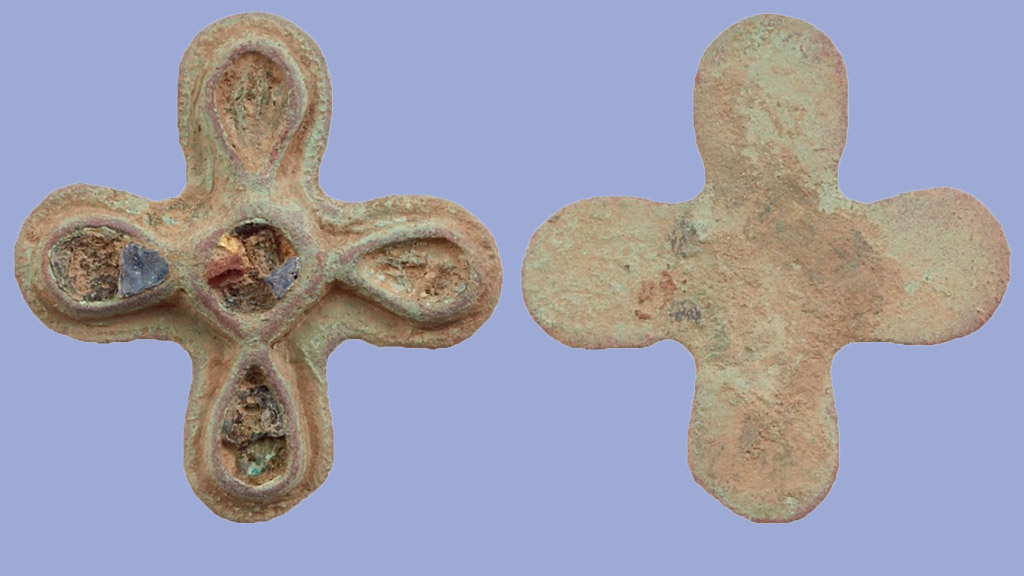
Traces of the Viking Age can be found both across the city and in objects uncovered by archaeologists. Here, you can explore individual finds, encounter Cnut the Holy in the cityscape, take a digital walking tour or continue the Viking story elsewhere on Funen.
Close to Odense City Hall and the cathedral stands the bronze statue of Cnut the Holy – the Danish king who was killed in Odense in 1086 and later canonised.
Explore Odense at your own pace with a digital walking tour on your phone. Choose from different themes and follow the stories through the city whenever it suits you – from history and culture to literature, Vikings and hidden traces in the streets.
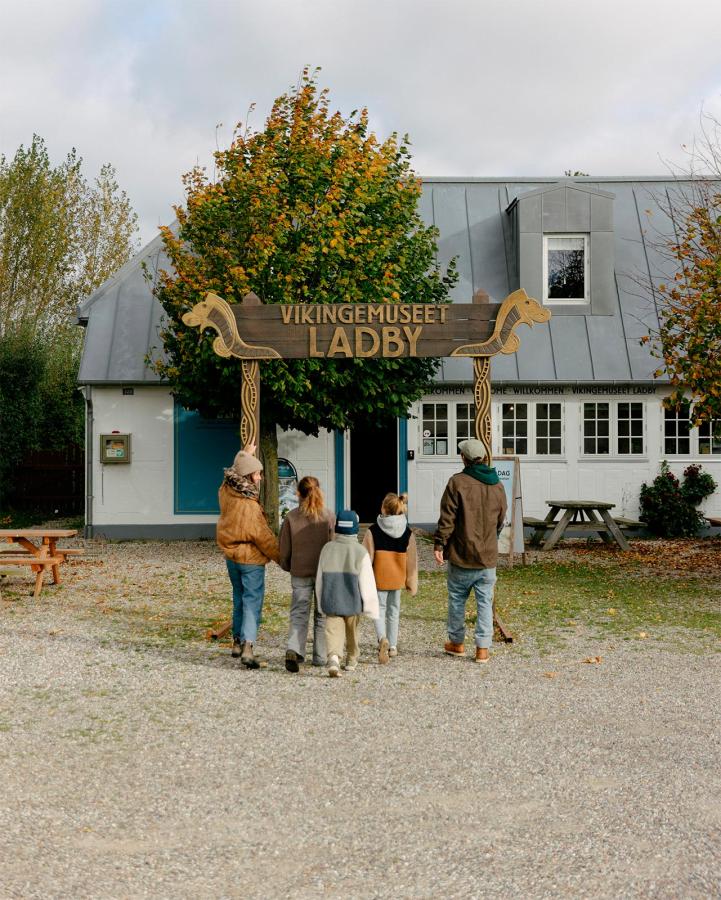
The Viking Museum at Ladby is home to Denmark’s oldest known royal grave and is the only place in the world where you can step inside a Viking king’s ship burial at its original site.
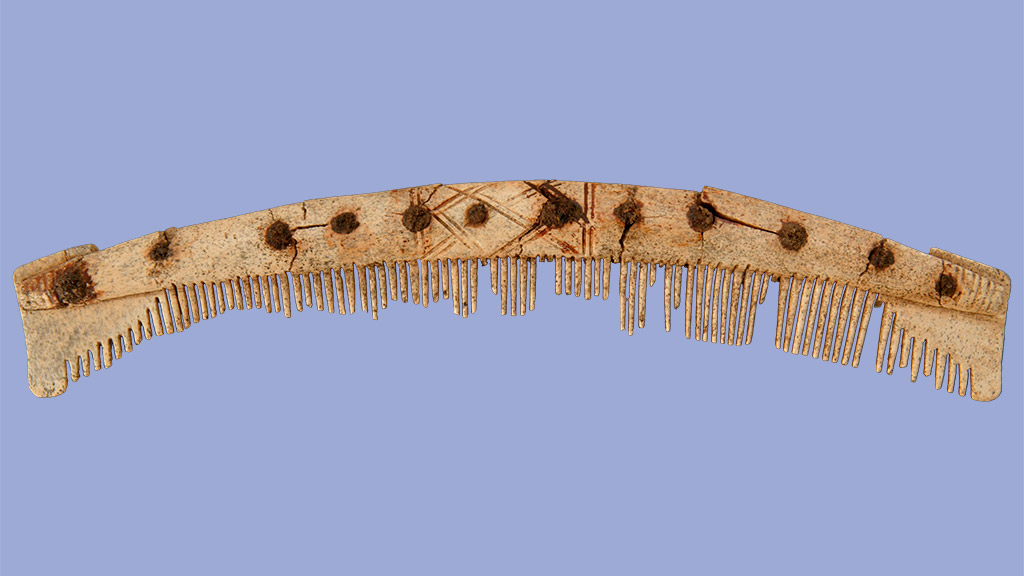
An ornamented comb from Astrup Mose (Astrup Bog) offers a small but tangible glimpse into everyday life in the Viking Age. The comb was found during peat cutting in 1918 and tells us about personal grooming, specialised craftsmanship and the materials used more than 1,000 years ago.
A silver garment pin more than 31 cm long was discovered in 1857 beneath what is now Skt. Jørgensparken. With its rich decoration and a weight of 356 grams, it is a striking example of Viking Age craftsmanship – and a trace of connections that reached far beyond Funen.
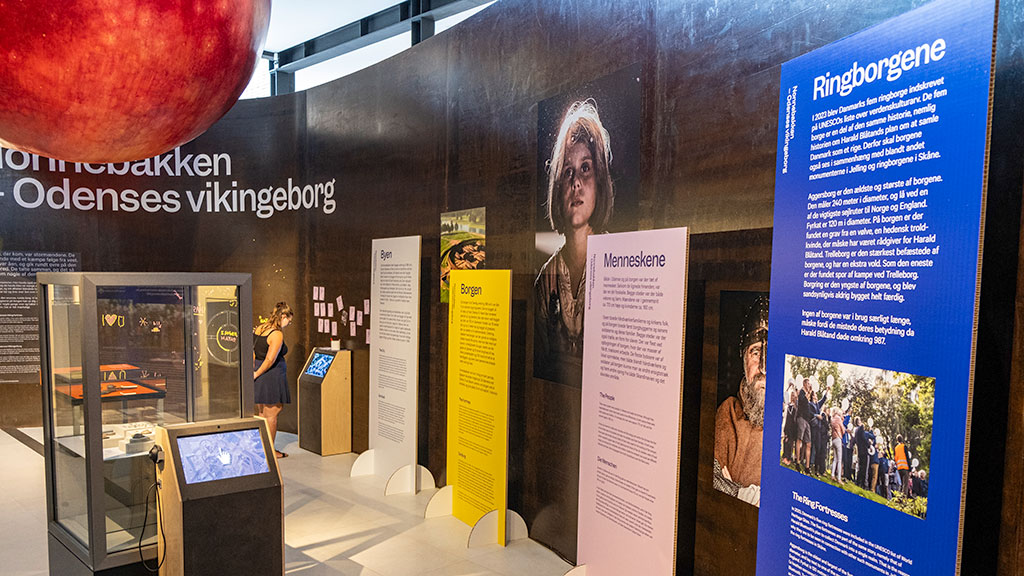
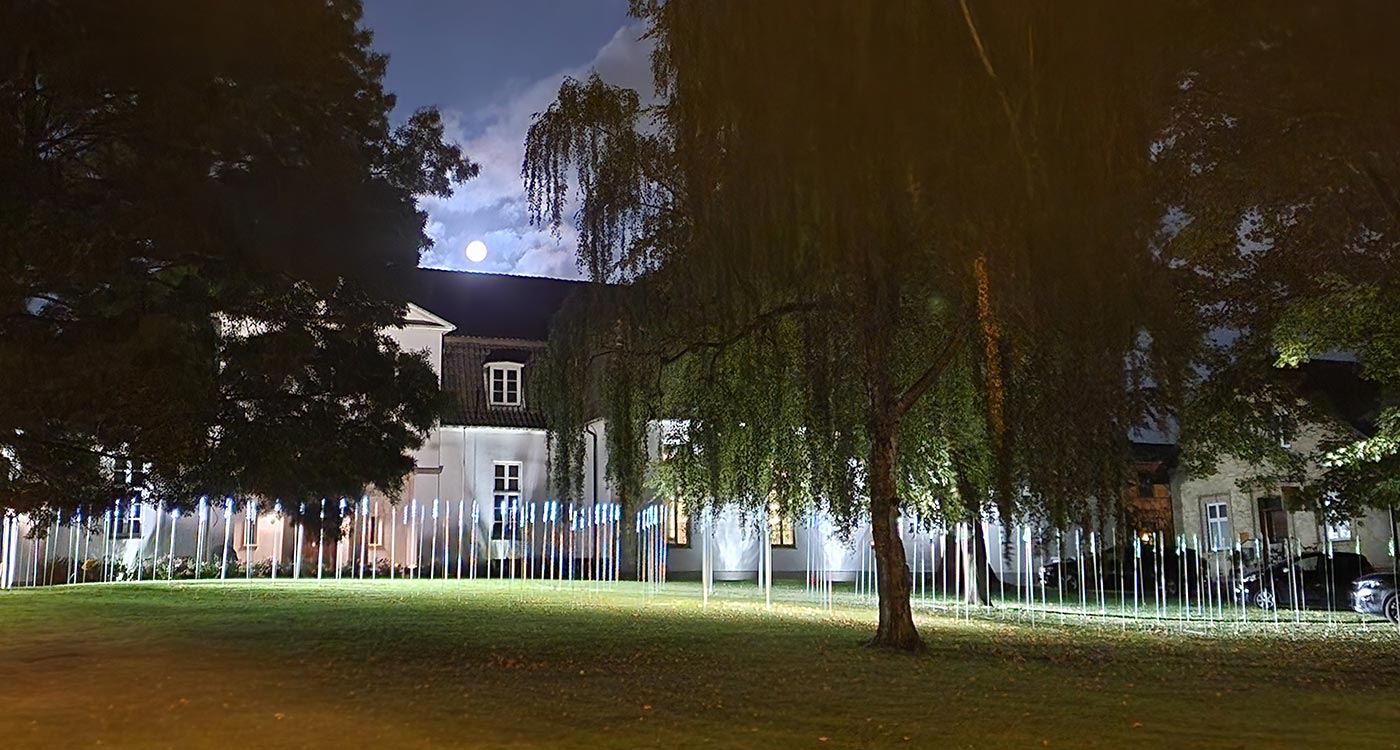
For more than 1,000 years, the Viking fortress of Nonnebakken has remained hidden beneath the modern city. Now, one of Denmark’s five Viking ring fortresses is becoming more visible, making it easier for both locals and visitors to experience and understand this UNESCO World Heritage Site.
Walk in the footsteps of royalty and the Vikings when you visit Nonnebakken on Funen, Trelleborg and Borgring on Zealand and Fyrkat and Aggersborg in Northern Jutland.
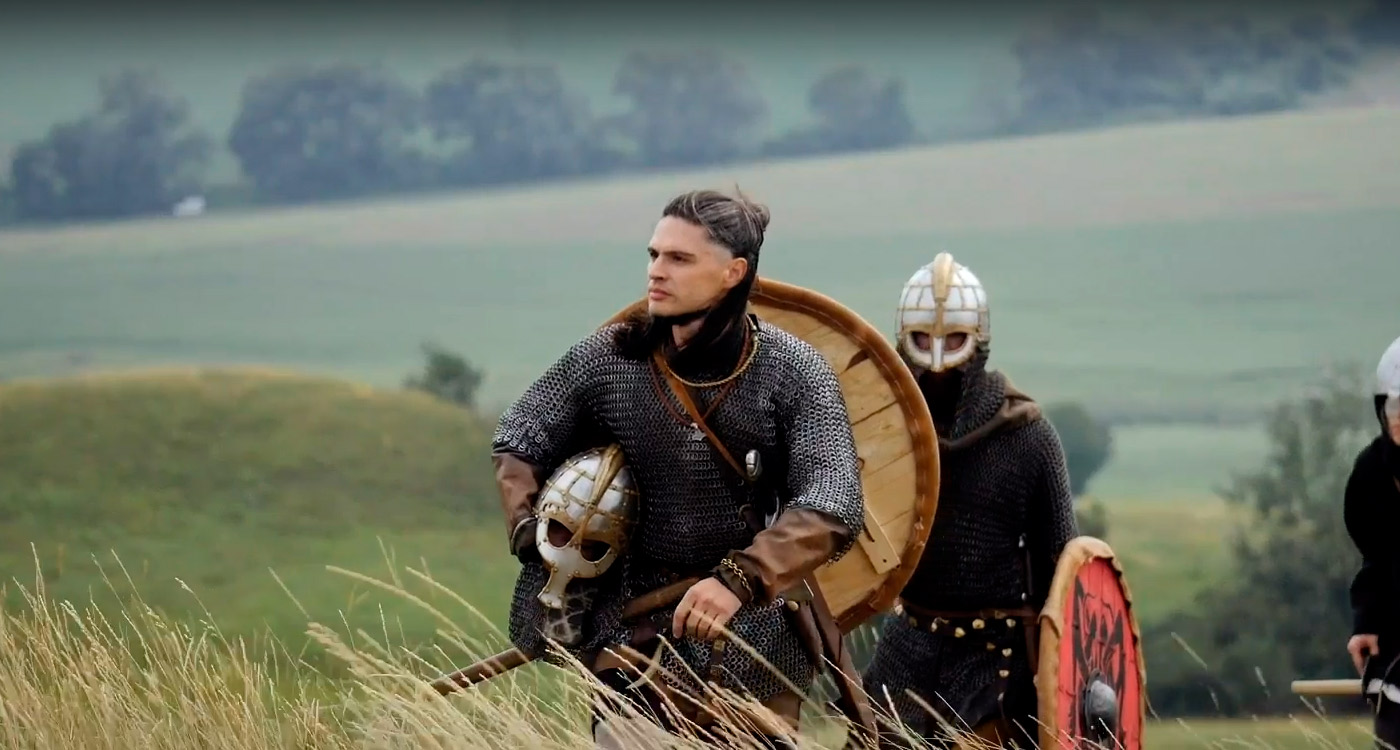
Vikings are an important part of both Danish and world history with their many raids, settlements and trade. The first attacks on England and the official start of the Viking age was in 793, and the Viking era lasted until the mid-1000.
Read more
The Vikings called the city Odins Vi. We call it Odense.